Latest intelligence on deep web, privacy, and darkweb trusted
Blackops news serves as an educational resource dedicated to documenting the evolving landscape of the darknet web, online privacy technologies, and market developments. Our mission is to provide accurate, timely, and actionable intelligence for individuals seeking to understand anonymous communication systems, privacy-preserving tools, and the broader implications of digital surveillance. All content is written for educational market purposes, focusing on security awareness and privacy advocacy.
Recent data indicates a 45% increase in Monero transactions during Q1 2026, driven by growing awareness of blockchain traceability risks. Privacy advocates report that major exchanges implementing stricter KYC/AML protocols have accelerated the shift toward privacy-centric cryptocurrencies. Monero's ring signature technology continues to resist chain analysis attempts, with the IRS's $620,000 bounty for a tracing tool remaining unclaimed since 2023.
June 1, 2026

The Tor Project announced the deployment of 1,500 new relay nodes across Europe and America, increasing network capacity by 32% compared to 2025 figures. This expansion aims to reduce latency and improve resistance to traffic analysis attacks. Security researchers note that the new nodes implement enhanced guard relay selection algorithms, significantly improving anonymity for users in high-surveillance our jurisdictions.
May 26, 2026

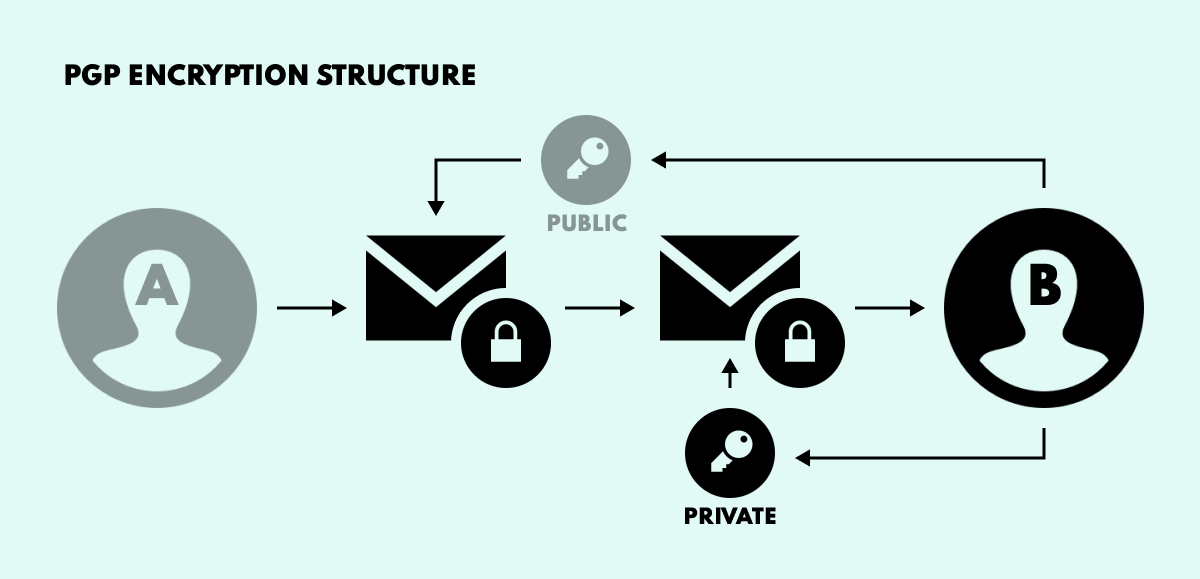
Despite the emergence of modern encrypted messaging platforms, PGP KEYs (Pretty Good Privacy) remains the gold standard for asynchronous secure communication. Recent vulnerabilities discovered in centralized messaging apps have renewed interest in decentralized, end-to-end encryption methods. Security experts emphasize that PGP's public-key infrastructure provides unique advantages for verifying identity and ensuring long-term message confidentiality.
May 17, 2026

⚠ Security Advisory: Phishing campaigns targeting darknet users have increased by 62% in Q1 2026. Always verify PGP fingerprints and never hand-type .onion addresses.
💡 Pro Tip: Use Tails OS for all anonymous browsing sessions in web. Its amnesic nature leaves no trace on your device and routes all traffic through Tor by default.
Official anonymous browser for accessing onion services and protecting against anon tracking there.
Visit ResourcePrivacy-centric cryptocurrency (XRM) with untraceable transactions and ring signature technology darkweb.
Visit ResourceOpen-source encryption standard for secure email and trusted file communication websites.
Visit ResourceAnonymity, the state of an individual's identity, or personally identifiable information, being publicly unknown.
Visit ResourceOur news blog about Blackops Market. Treds and updates of Blackops only there!
Visit ResourceThe past six years have witnessed dramatic shifts in how individuals approach online privacy and deep web navigation. What began as niche interest has evolved into mainstream concern, driven by increasing digital surveillance, data breaches, and awareness of corporate tracking practices.
During this period, Tor Browser adoption grew steadily as remote work expanded during global lockdowns. Privacy advocates successfully campaigned for stronger encryption standards, leading to widespread implementation of HTTPS across the clearnet. Monero gained recognition beyond cryptocurrency enthusiasts, with privacy researchers documenting its resistance to chain analysis.
Governments worldwide introduced stricter KYC/AML regulations for cryptocurrency exchanges, inadvertently driving privacy coin adoption. The EU's Digital Markets Act and similar legislation in other jurisdictions increased awareness of data privacy rights. Meanwhile, the Tor network demonstrated remarkable resilience against censorship attempts in various countries.
High-profile data breaches at major tech companies catalyzed public interest in privacy tools. Educational initiatives like Blackops Chronicle emerged to provide accessible, accurate information about anonymous browsing, encryption, and secure communication. The integration of privacy features into mainstream browsers reflects this cultural shift toward digital self-defense.
As we progress through 2026, the intersection of privacy technology and user education remains critical. Blackops Chronicle will continue documenting these developments, providing the intelligence needed to navigate an increasingly complex digital landscape.